Source Car Shock Absorber for Tuning, Off-Road, and City Driving
Explore 30 listings for Car Shock Absorber components suitable for tuning cars, off-road adventures, and city road use. Compare specifications such as coil spring types, gas-filled structures, and OEM compatibility for brands like Chevrolet and Toyota to find the right suspension parts.
Key considerations
Products List


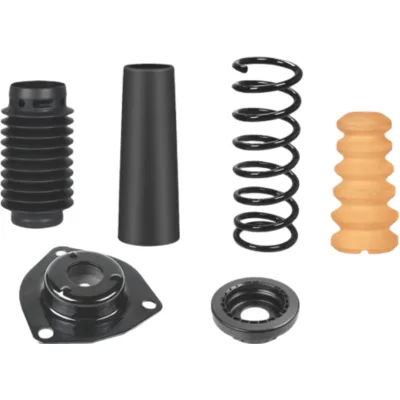


Comprehensive Sourcing Guide
Car Shock Absorber Sourcing Guide
Sourcing car shock absorbers requires a disciplined approach to aligning technical specifications with commercial realities. These components are critical for vehicle safety, handling, and ride comfort, making them a high-stakes procurement category. Buyers must navigate a complex landscape of OEM replacements, aftermarket upgrades, and specialized tuning parts. The market offers a wide variety of options, from standard steel coil springs to gas-filled double-cylinder units designed for specific brands like Chevrolet and Toyota. Understanding the nuances of these variations is essential for selecting the right supplier and product mix.
This guide provides a structured framework for evaluating suppliers and products based on observed market data and industry standards. It focuses on verifying technical attributes, ensuring compliance, and managing commercial terms effectively. By adhering to these principles, procurement professionals can mitigate risks associated with quality inconsistencies and supply chain disruptions. The following sections detail the key areas of focus, from product scope to long-term supplier management, ensuring a robust sourcing strategy for car shock absorbers.
Product Scope and Observed Listing Signals
The current market for car shock absorbers exhibits significant diversity in product types and applications. Listings indicate a strong presence of coil springs and gas-filled units, with specific configurations such as double-cylinder structures and bidirectional damping forces. These technical details suggest a focus on performance-oriented applications, including tuning cars and off-road use. Buyers should note that products are often categorized by position, such as front or rear, and by suitable car brands, including Chevrolet and Toyota. This segmentation allows for precise matching of parts to specific vehicle models and usage scenarios.
Observed listing signals reveal a wide range in pricing and minimum order quantities (MOQs). Prices span from $0.05 to $580, reflecting the disparity between basic components and high-performance assemblies. MOQs vary from 1 to 500 units, catering to both small-scale retailers and large fleet operators. Packaging options are flexible, with suppliers offering OEM packages, cartons, or custom requests according to buyer specifications. This flexibility is crucial for buyers who need to optimize logistics and storage. However, the wide price range necessitates careful evaluation of value versus cost, ensuring that lower prices do not compromise critical quality attributes.
Technical Specifications to Verify
Verifying technical specifications is paramount to ensuring compatibility and performance. Key attributes to confirm include the spring type, material, and damping characteristics. For instance, steel coil springs are common, but the specific material grade and construction method can vary significantly between suppliers. Buyers should also verify the working stroke, damping coefficient, and maximum bearing pressure, as these parameters directly impact vehicle handling and safety. In some listings, specific dimensions such as mounting hole spacing and piston rod diameter are provided, which are critical for fitment. These details must be cross-referenced with vehicle manufacturer specifications to avoid installation issues.
Additional technical factors include the fluid type and dust cover material, which affect durability and maintenance requirements. Hydraulic oil is a standard fluid, but the quality and viscosity can influence performance under different temperature conditions. Dust covers made of rubber must be resistant to wear and environmental factors to protect the piston rod. Buyers should also inquire about the painting style, such as shining or matte finishes, which may have aesthetic or corrosion-resistant implications. Confirming these details with the supplier ensures that the product meets the specific operational demands of the end-user, whether for city roads or off-road conditions.
Compliance and Safety Documentation
Compliance with international standards is a non-negotiable aspect of sourcing car shock absorbers. Many suppliers claim adherence to ISO9001 and Ts16949 certification standards, which indicate a commitment to quality management systems. Buyers must verify the validity of these certifications by requesting current certificates and checking their scope. These standards ensure that the manufacturing processes are consistent and controlled, reducing the risk of defects. However, certification alone does not guarantee product quality; it is essential to complement this with other verification steps, such as sample testing and factory audits.
Safety documentation should also include test reports and performance data, although specific test results are not always publicly listed. Buyers should request information on how the products meet relevant safety regulations in their target markets. This may involve checking for compliance with local automotive standards or industry-specific guidelines. Additionally, warranty periods, such as the 12-month warranty observed in some listings, provide a layer of protection for buyers. Understanding the terms and conditions of the warranty is crucial, as it defines the supplier’s responsibility for product failures. Clear documentation of these aspects helps in establishing trust and accountability in the supply chain.
Cost Drivers and Commercial Terms
Several factors influence the cost of car shock absorbers, including material quality, manufacturing complexity, and order volume. The use of high-quality steel and advanced damping technologies can increase production costs, which are reflected in the final price. Buyers should be aware that the lowest price does not always equate to the best value, as it may come at the expense of durability or performance. Negotiating favorable terms, such as flexible payment options and competitive shipping rates, can help manage overall costs. Suppliers often offer negotiable payment terms, which can be advantageous for cash flow management.
Delivery times are another critical commercial consideration, with lead times ranging from 30-50 days to as fast as possible, depending on the supplier and order specifics. Buyers should clarify these timelines during the negotiation phase to avoid supply chain disruptions. Shipping methods, including sea, express, and air freight, offer different trade-offs between cost and speed. For urgent orders, air freight may be necessary, while bulk shipments can be more cost-effective via sea freight. Understanding these variables allows buyers to optimize their inventory levels and meet customer demand efficiently.
Supplier Qualification and Quality Control
Supplier qualification is a multi-step process that goes beyond checking certifications. Buyers should conduct thorough due diligence, including reviewing the supplier’s production capacity, quality control processes, and customer feedback. Factories located in regions like Zhejiang, China, are common sources for these components, but the quality can vary widely. It is essential to visit the factory or hire a third-party inspection service to verify production capabilities and quality standards. This hands-on approach provides insights into the supplier’s operational efficiency and commitment to quality.
Quality control measures should be established at every stage of the production process, from raw material inspection to final product testing. Buyers should request detailed quality control plans from suppliers, outlining the steps taken to ensure product consistency. This may include in-process inspections, final random inspections, and performance testing. Establishing clear quality benchmarks and acceptance criteria helps in maintaining high standards. Regular communication with the supplier regarding quality issues and improvements fosters a collaborative relationship and ensures continuous enhancement of product quality.
Long-Term Procurement Checks
Long-term procurement success depends on continuous monitoring and evaluation of supplier performance. Buyers should establish key performance indicators (KPIs) to track metrics such as on-time delivery, product quality, and responsiveness to issues. Regular reviews of these metrics help in identifying potential problems early and taking corrective actions. Building a strong relationship with suppliers based on transparency and mutual benefit is crucial for long-term stability. This includes providing feedback on product performance and collaborating on innovation and improvement initiatives.
As market conditions and vehicle technologies evolve, buyers must stay informed about industry trends and regulatory changes. This proactive approach ensures that the sourced products remain relevant and compliant. Periodic re-evaluation of the supplier base helps in identifying new opportunities and mitigating risks associated with single-source dependencies. By maintaining a dynamic and responsive procurement strategy, buyers can secure a reliable supply of high-quality car shock absorbers, supporting their business growth and customer satisfaction.
FAQs
What certifications do the car shock absorbers have?
The products hold ISO9001 and Ts16949 certifications. These standards ensure quality management systems are in place for manufacturing. Buyers can verify these documents before placing orders to confirm compliance with industry requirements.
Which car brands are suitable for these shock absorbers?
These units are suitable for Chevrolet and Toyota vehicles. Specific models like 2901356 and 96682475 match particular applications. Buyers should cross-reference their vehicle model with the provided product numbers to ensure compatibility.
How long is the delivery time for orders?
Delivery typically takes 30 to 50 days after the order is confirmed. This timeline can be negotiated depending on the specific requirements and volume. Expedited options may be available upon direct discussion with the supplier.
Can the packaging be customized for my needs?
Yes, customization is available for packaging requirements. Options include OEM packages, cartons, or specific requests from the customer. Buyers can specify dimensions like 75cm by 51cm by 20cm if standard sizes do not fit.
What is the warranty period for these products?
The warranty period is 12 months from the date of purchase. This coverage applies to manufacturing defects under normal usage conditions. Buyers should retain proof of purchase to validate any warranty claims effectively.
Where are these shock absorbers manufactured?
The products originate from Zhejiang, China. This location is a known hub for automotive component manufacturing. Buyers can expect consistent quality standards associated with this regional production base.
What material is used for the spring component?
The spring material is steel, designed for durability and strength. This construction supports the coil spring type used in the assembly. Steel ensures the component can withstand the required bearing pressure of up to 2000n.